Using Communicative Language Teaching activities to improve students´ speaking skills.
DOI:
https://doi.org/10.56124/sapientiae.v9i20.019Abstract
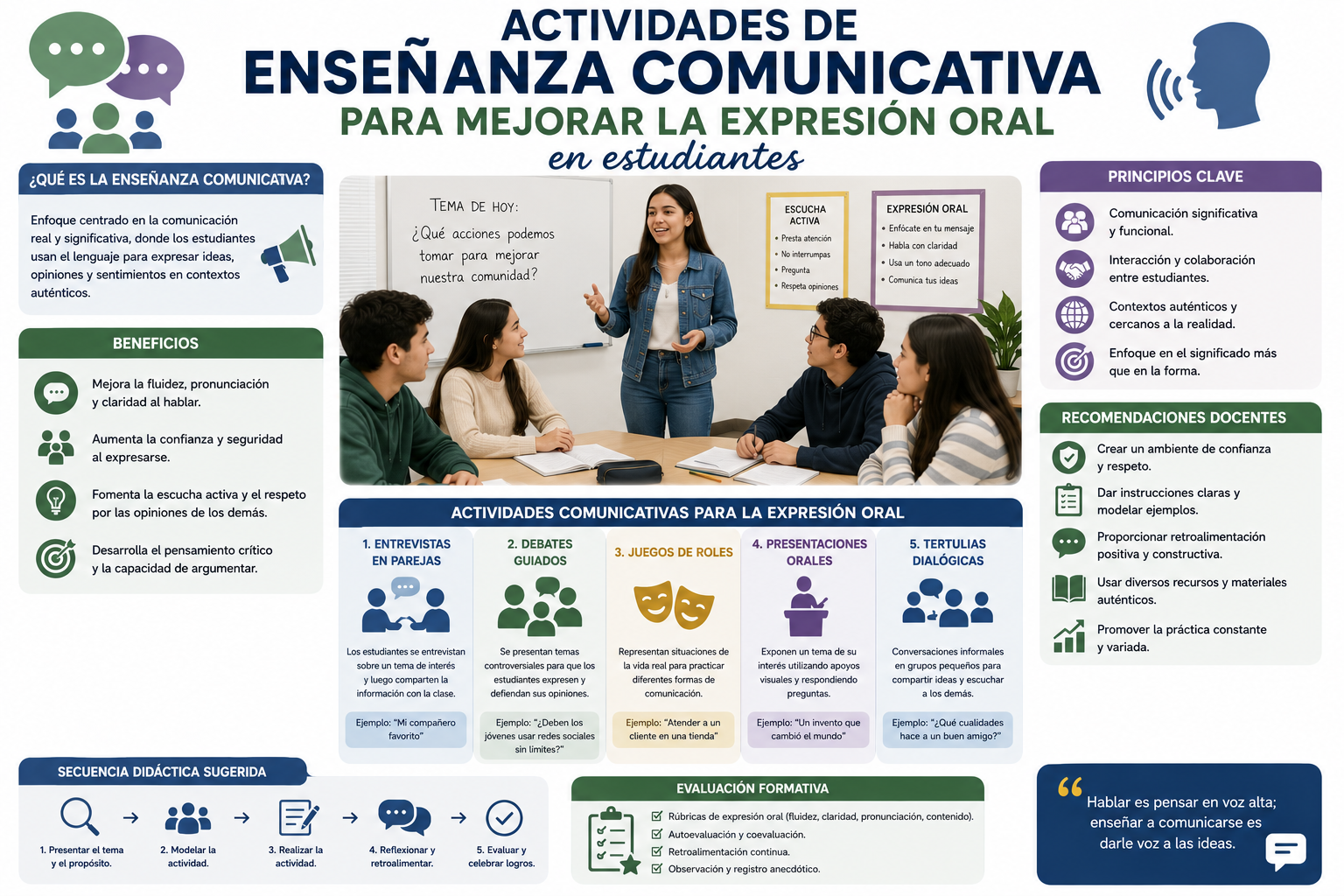
Speaking skills are often regarded as the most challenging skills to learn in the English language; nevertheless, they are crucial for language learners to become communicatively competent in this increasingly globalised world, where English is a lingua franca. English learners in Ecuador lack confidence in speaking, considering it more challenging than reading and writing. Over the last few years, the field of language teaching has seen a shift towards communicative language teaching (CLT) as a practical approach to language learning. CLT has a significant influence on language teaching worldwide and has shown its effectiveness in developing communicative competencies. The approach emphasises the importance of communication and interaction in language acquisition. The objective of this study was to diagnose the activities used by teachers to develop students' speaking skills. Mixed-method research was carried out. Teachers from a private school in Ecuador have been interviewed and observed during class, and a survey was conducted among high school students, with 55 students responding to the questions. The data suggest that students lack confidence in practical activities where speaking is the primary skill to be developed, and have insufficient time to develop this skill due to large classes and limited vocabulary knowledge.
Downloads
References
.REFERENCES
Abdelmageed, N. A. T., & Omer, M. A. A. (2020). The effectiveness of using the Communicative Language Teaching approach (CLT) in developing students’ speaking skills from teachers’ perceptions. International Journal of English Language, Literature and Humanities (IJELLH), 8(3), 114–131. https://ijellh.com/OJS/index.php/OJS/article/view/10188
Barragán-Camacho, M. J., Campuzano-Díaz, J. M., Marriott-Toledo, H. M., Yambay-Castro, K. A., Salvador-Cisneros, K. A., y Vaca-Cárdenas, M. E. (2020). The tapestry of EFL teachers in Ecuador. Dominio de las Ciencias, 6(3), 473-492. http://dx.doi.org/10.23857/dc.v6i3.1303
Barrera, H. & Barragán, T. (2017). English-Spanish Linguistic Competences in the Ecuadorian Educational System. Revista Electrónica Formación y Calidad Educativa, 5(2), 33–42. http://refcale.uleam.edu.ec/index.php/refcale/article/view/1596
Dewi, R. S., Kultsum, U., & Armadi, A. (2017). Using communicative games to improve students’ speaking skills. English Language Teaching, 10(1), 63. https://doi.org/10.5539/elt.v10n1p63
Dos Santos, L. M. (2020). The discussion of communicative language teaching approach in language classrooms. Journal of Education and e-Learning Research, 7(2), 104–109. https://doi.org/10.20448/journal.509.2020.72.104.109
Eddie, A. A., & Aziz, A. A. (2020). Developing primary students’ spoken interaction skills through communicative language teaching. International Journal of Academic Research in Business and Social Sciences, 10(2), 303–315. https://doi.org/10.6007/IJARBSS/v10- i2/6931
Education First. (2020). EF English Proficiency Index. https://www.ef.com/ca/epi
Ghafar, Z. N., & Raheem, B. R. (2023). Factors affecting speaking proficiency in English language learning: A general overview of the speaking skill. Journal of Social Science (JoSS), 2(6), 507–518. https://doi.org/10.57185/joss.v2i6.107
Hussain, S. (2017). Teaching Speaking Skills in Communication Classroom, International Journal of Media. Journalism and Mass Communications (IJMJMC), Volume 3, Issue 3, 2017, PP 14-21
https://doi.org/10.20431/2454-9479.0303003
Istyaning, A. D., Erlik, W. S., & Arri, K. (2022). The relationship between students’ speaking skill and students’ self-esteem of Mover F class of NCL Madiun. Journal of English Teaching, 8(2), 267–281. https://doi.org/10.33541/jet.v8i2.3743
Ken Lackman. (2010). Teaching Speaking Sub-Skills: Activities for Improving Speaking. Lackman & Associates. https://www.kenlackman.com/files/speakingsubskillshandout13poland_ 2_.pdf
Khowatim, L. K., Farid, A., & Saifuddin, M. (2022). The effectiveness of using communicative language teaching (CLT) techniques on students’ speaking skills. Journal of Research in Foreign Language Teaching (JRFLT), 3(2), 39–48. https://doi.org/10.26594/jrflt.v3i2.3310
Larsen-Freeman, D., & Anderson, M. (2011). Techniques and principles of language teaching (3rd ed.) (pp. 135). Oxford, UK: Oxford University Press. https://acasearch.wordpress.com/wp- content/uploads/2015/03/techniques-in-language-teaching.pdf
Leong, L.-M., & Ahmadi, S. M. (2017). An analysis of factors influencing learners’ English speaking skill. International Journal of Research in English Education, 2(1), 34–41. https://doi.org/10.18869/acadpub.ijree.2.1.34
Ohashi, Y. (2015). Communicative language teaching for young learners of English: A critical perspective. Fukuoka Jo Gakuin University Bulletin, Faculty of International Career Development, 1, 17–30. https://fukujo.repo.nii.ac.jp/record/2000528/files/kokusai001002.pdf
Oviedo Guado, N. G., & Mena Mayorga, J. I. (2021). Communicative language teaching approach in the development of speaking skills. Ciencia Digital, 5(4), 6–26. https://doi.org/10.33262/cienciadigital.v5i4.1865
Pham, V. P. H., Nguyen, M. T., Nguyen, T. M. A., & Nguyen, N. H. V. (2020). The effects of using games on EFL students’ speaking performances. International Journal of English Linguistics, 10(1), 183-193. https://doi.org/10.5539/ijel.v10n1p183
Ramadhan, I., Nanda, L. S., Alfiona, P. R., & Nejed, W. S. (2022). English education development effort with a Communicative Language Teaching (CLT) approach method. DIAJAR: Jurnal Pendidikan Dan Pembelajaran, 1(1), 106–115. https://doi.org/10.54259/diajar.v1i1.236
Rengifo Obando, M.E., & Ramírez Lozada, H. (2023). Communicative Language Teaching Strategies to Develop Senior High School Students’ English Language Speaking Skills. JRSP-ELT (2456-8104). https://doi.org/10.54850/jrspelt.7.35.006
Rezalou, Ali, and Oktay Yağiz (2021). EFL Students’ Perceptions and Attitudes toward Using Communicative Activities in CLT Classroom. Shanlax International Journal of Education, vol. 9, no. S2, 2021, pp. 112–124
https://doi.org/10.34293/education.v9is2-sep.4376
Richards, J.C. (2006). Communicative Language Teaching Today. Cambridge University Press. ISBN-13 978-0-521-92512-9
https://www.professorjackrichards.com/wp-content/uploads/Richards- Communicative-Language.pdf
Roa, P. S. (2019). The importance of speaking skills in English classrooms. Alford Council of International English & Literature Journal, 2(2), 6–18.
https://www.acielj.com/Papers/vol2issue2/1.ACIELJ%20- Srinu%20sir%20(1-12)%20OK.pdf
Scrivener, J. (2011). Learning teaching: The essential guide to English language teaching (3rd ed.). Macmillan Education.
https://jonturnerhct.wordpress.com/wp- content/uploads/2015/08/learning-teaching-by-james-scrivener.pdf
Silva-Valencia, J. C., Villacís-Villacís, W., & Hidalgo-Camacho, C. S. (2021). Speaking skills development through communicative language teaching techniques. European Journal of Education Studies, 8(3), 51–63. http://dx.doi.org/10.46827/ejes.v8i3.3610
Toro, V., Camacho, G., Pinza, E. & Paredes, F. (2019). The use of the communicative language teaching approach to improve students’ oral skills. English Language Teaching, 12(1), 110–118. https://doi.org/10.5539/elt.v12n1p110
Published
How to Cite
Issue
Section
License
Copyright (c) 2026 Revista Científica Multidisciplinaria SAPIENTIAE. ISSN: 2600-6030.

This work is licensed under a Creative Commons Attribution-NonCommercial-ShareAlike 4.0 International License.


2.jpg)