Español
DOI:
https://doi.org/10.56124/sapientiae.v9i19.022Abstract
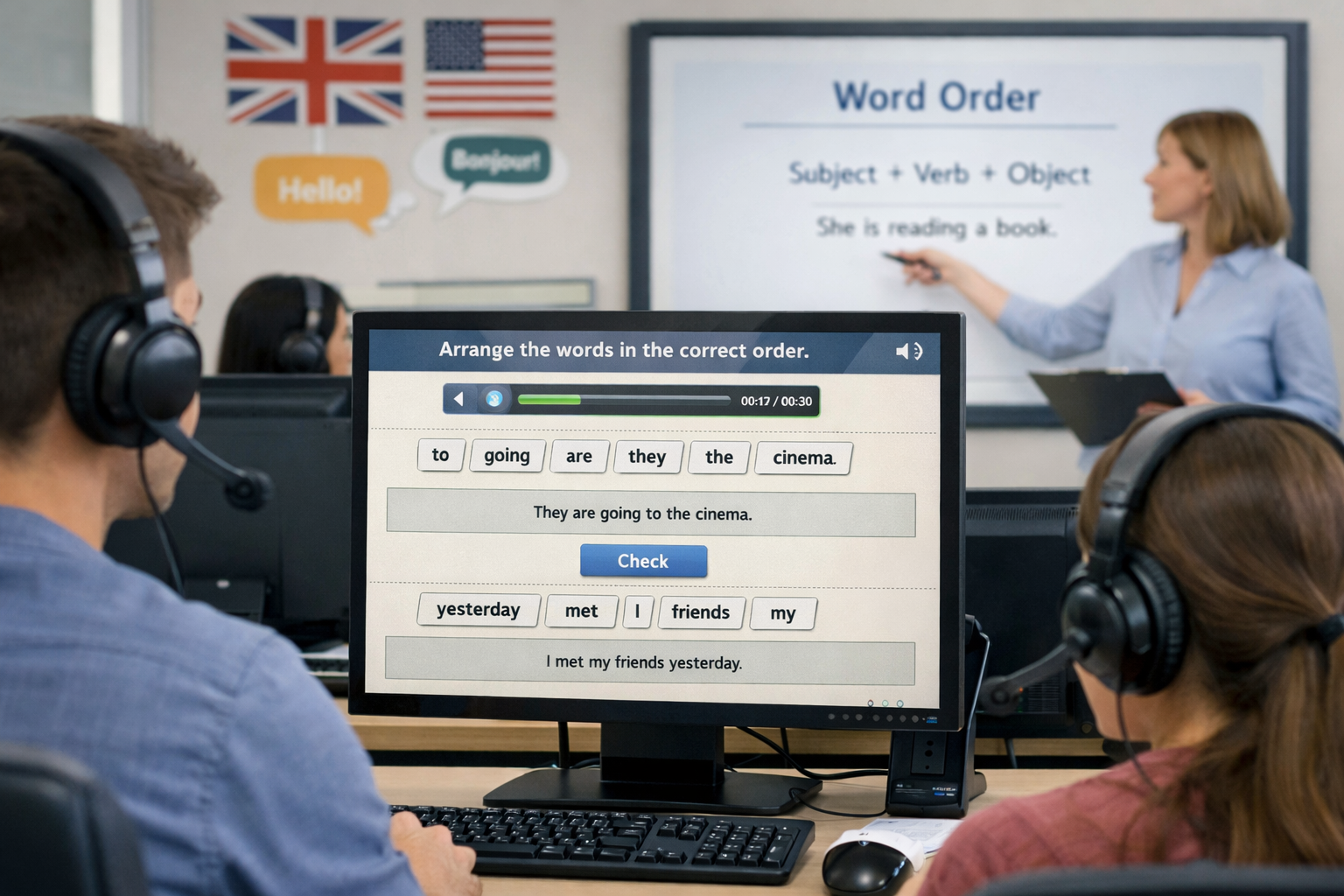
The teaching of English as a foreign language in Ecuadorian school settings continues to face significant challenges in the development of listening comprehension, particularly at beginner levels such as A2. This study explored the effect of the systematic use of the language laboratory and software as an interactive resource to improve word order identification among eleventh-grade students at Unidad Educativa La Salle in Quito, Ecuador. A quasi-experimental design with two non-equivalent groups was implemented, and a six-week intervention was carried out using segmented audio, temporary captioning, and shadowing. The findings reveal a noticeable increase in the scores of the experimental group, which progressed from perceiving spoken phrases as fragmented pieces to grasping with greater accuracy the internal structure of what was said. In contrast, the comparison group showed smaller gains associated with the natural progression of lessons. The comments gathered suggest changes in how students felt and how they viewed themselves when performing listening tasks. These conclusions align with the guidelines of the national English Curriculum. Integrating teaching with digital tools not only enhances specific listening skills but also promotes a calmer and more motivating learning environment. The study reaffirms the importance of organizing technology-based tasks with clear instructional intentions and with close attention to the actual needs of the classroom.
Downloads
Published
How to Cite
Issue
Section
License
Copyright (c) 2025 Revista Científica Multidisciplinaria SAPIENTIAE. ISSN: 2600-6030.

This work is licensed under a Creative Commons Attribution-NonCommercial-ShareAlike 4.0 International License.


2.jpg)